Georgia Rural Opioid Harm Reduction for Justice-Involved Individuals

New educational materials available.

We offer many free materials you can download or request printed versions of. For example, how to use naloxone (Narcan) or a fentanyl test strip.

Statewide Resource Guide Now Available

You can download a copy of our Statewide Resource Guide to find help across Georgia for Opioid Harm Reduction, Treatment, and Recovery Support. Would you prefer paper copies of the flyer? Just email us at ihla@georgiasouthern.edu.

Free training, harm reduction supplies, and resources.

Do you represent a rural jail, prison, or first responder agency in Georgia?

Re-entry support in our communities.

If your community organization supports justice-involved or justice-affected individuals we want to add you to our resource map! Support means more than just opioid recovery, it means housing, jobs, mental health, food security, child care, etc.
GS IHLA ROHR rural opioid harm reduction Georgia training

A Safer Path Forward: Reducing Opioid Harm & Saving Lives of Justice-Involved Individuals

If this is an emergency, call 911. The Georgia 911 Medical Amnesty Law protects people who call 911 and seek medical assistance for someone experiencing a drug or alcohol-related overdose.

Overdose Prevention & Reentry Support in Rural Georgia

The IHLA, Georgia Southern University, ROHR Project (Rural Opioid Harm Reduction for Justice-Involved Individuals) partners with rural Georgia sheriff’s offices, rural jails/prisons, and incarcerated individuals with lived experience of opioid use to reduce harm, prevent overdose, and support successful community reintegration.

Do you represent a rural jail, prison, or first responder agency in Georgia? Are you a community organization that supports justice-involved individuals?

Why the Program Matters

Rural communities in Georgia face unique challenges in addressing opioid misuse. The GS IHLA ROHR Project is designed to reduce harm, save lives, and ensure access to critical resources for those most affected. By partnering with local organizations, the initiative strengthens opioid harm reduction efforts statewide.

  • Overdose is the #1 leading cause of death after release from jail or prison. 
  • The first weeks at home are the riskiest. 
  • Strong community support saves lives, hence why GS IHLA ROHR initiative is crucial. 

Service Offered

  • Community-specific & Statewide Resource Guides
    Easy-to-use print and online guides connecting individuals and families to:
    • Local & statewide programs
    • Healthcare & behavioral health services
    • Social service agencies that provide financial assistance, food & housing services, healthcare, & counseling
  • Opioid Harm Reduction Tools
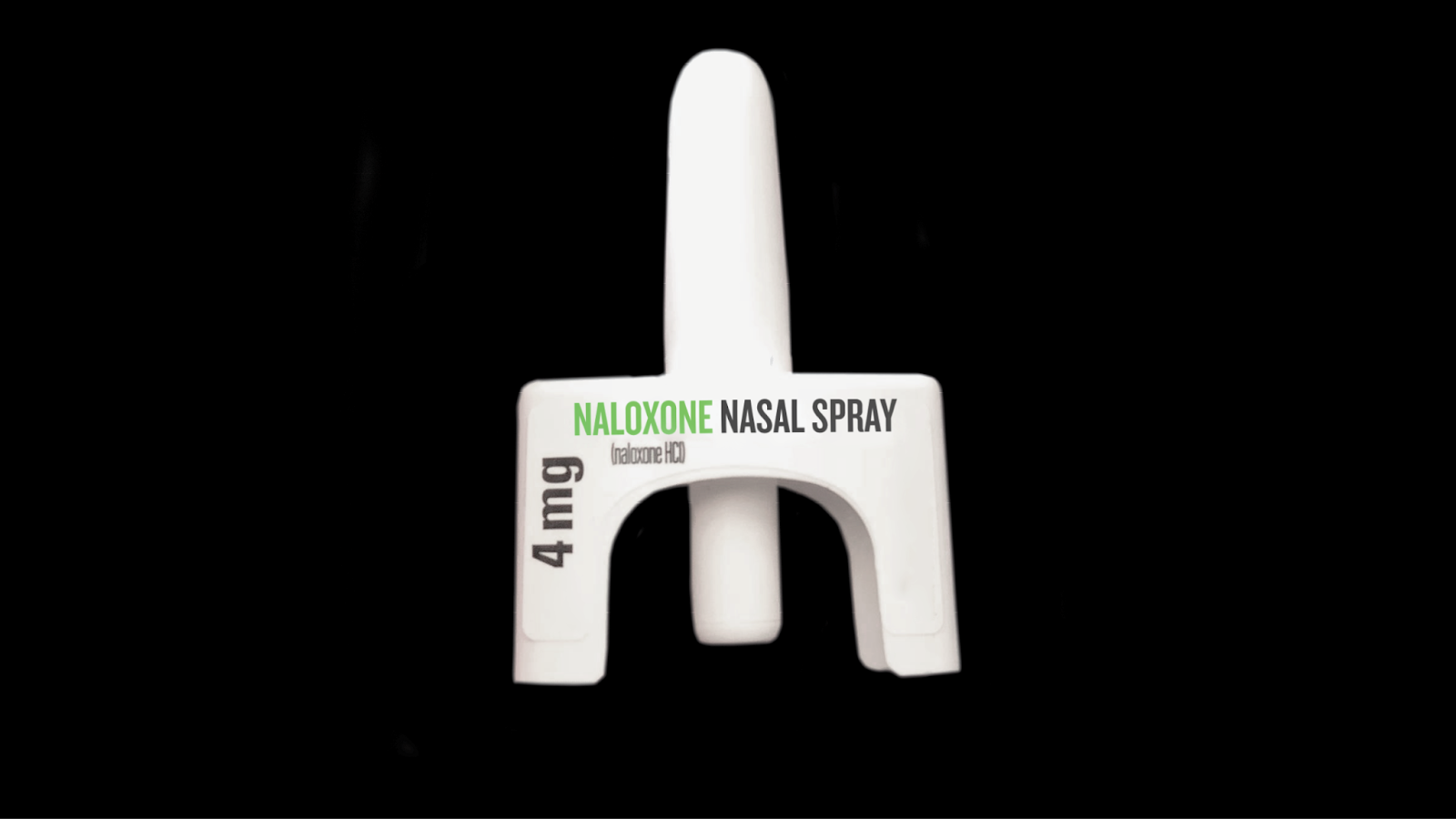
    • Naloxone (generic Narcan) 
    • Fentanyl/xylazine test kits 
    • Additional supplies could include: release/leave-behind bags, drug disposal, drug lock boxes, etc.
  • Educational Materials & Training
    • For facility staff, first responders, community partners, and incarcerated populations
    • A wide variety of digital and in-person options are available

*for confinement facilities, justice-involved individuals, and first responders

Jump to Resources

Who are justice-involved or justice-impacted individuals?

Justice-involved individuals are people who have had direct contact with the criminal legal system, including those who are currently or formerly in jail/prison, on probation or parole, or involved in pretrial or diversion programs. 

Justice-impacted individuals include not only the justice-involved, but also their families, loved ones, and communities affected by incarceration, policing, or criminal justice practices.

Enrolled Facilities:

Participating in GS IHLA ROHR

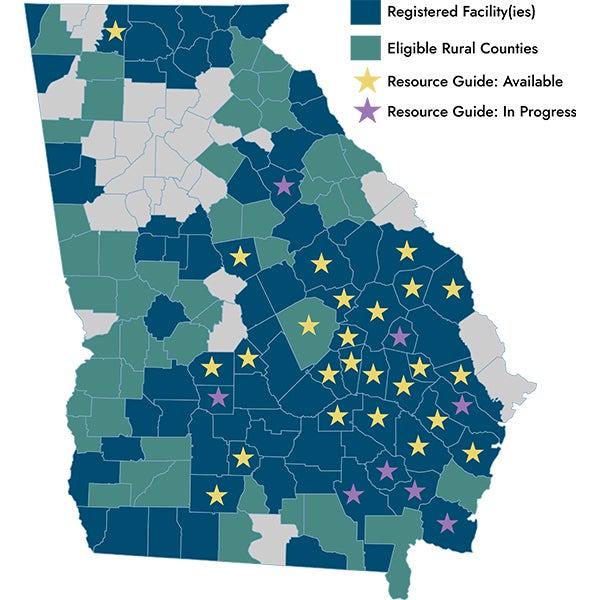
Map of Enrolled Facilities in Georgia

  1. Alamo Fire Department
  2. Appling County Detention Center
  3. Arabi Police Department
  4. Atkinson County Sheriff’s Office/Jail
  5. Bacon County Fire/EMS
  6. Bacon County Sheriff’s Office
  7. Baldwin County Sheriff’s Office
  8. Baxley Police Department
  9. Ben Hill County Sheriff’s Office
  10. Berrien County EMS
  11. Blackshear Public Safety
  12. Bleckley County Fire Rescue
  13. Bleckley County Sheriff’s Office
  14. Brantley County Detention Center
  15. Broxton Police Department
  16. Bryan County Fire and Rescue
  17. Bryan County Sheriff’s Office/Jail
  18. Bulloch County Correctional Institute
  19. Bulloch County EMS
  20. Bulloch County Sheriff’s Office
  21. Burke County EMA
  22. Burke County Sheriff’s Office/Detention Center
  23. Butts County Fire and Emergency Services
  24. Butts County Sheriff’s Office
  25. Cairo Police Department
  26. Calhoun County Jail
  27. Camden County Fire Rescue
  28. Camden County Sheriff’s Office
  29. Candler County EMS
  30. Candler County Sheriff’s Office/Jail
  31. Chatsworth Fire Department
  32. Chatsworth Police Department
  33. Chattooga County Jail/Chattooga County Sheriff’s Office
  34. City of Alma Police Department
  35. City of Cochran Fire Department
  36. City of Ellijay Fire Department
  37. City of Hiawassee Police
  38. City of Jasper Police Department
  39. City of McCaysville Police Department
  40. City of Midway FD/PD
  41. City of Nahunta Police Department
  42. City of Screven Police Department
  43. City of Screven Volunteer Fire Department
  44. City of Sylvester Police Department
  45. Claxton Fire Department
  46. Claxton Police Department
  47. Claxton Regional Youth Detention Center
  48. Clayton PD
  49. Cochran Police Department
  50. Coffee County Sheriff’s Office
  51. Colquitt County Jail
  52. Colquitt County Prison
  53. Columbus Fire and Emergency Medical Services
  54. Crisp County Detention Center
  55. Crisp County Fire Rescue
  56. Dade County Emergency Services
  57. Dade County Fire Dept.
  58. Dade County Sheriff’s Office Jail
  59. Davisboro Police Department
  60. Dawson County Emergency Services
  61. Dawson County Jail
  62. Decatur County Jail
  63. Dodge County Law Enforcement Center
  64. Douglas Police Department
  65. Eastman police department
  66. Echols County Emergency Management
  67. Elbert County Detention Center
  68. Emanuel County EMS
  69. Emanuel County Jail
  70. Evans County EMS
  71. Evans County Sheriff’s Office/Jail
  72. Excelsior EMS
  73. Fannin County Sheriff’s Office
  74. Fannin Fire/Ems
  75. Fitzgerald Police Department
  76. GAP House Ministries, Inc.
  77. GDC Inmate Services – Residential Substance Use Treatment
  78. Georgia Department of Corrections
  79. Georgia Department of Public Health
  80. Gilmer County EMA
  81. Gilmer County Sheriff’s Office
  82. Glascock County Sheriff’s Office
  83. Glenwood Fire Department
  84. Gordon Police Department
  85. Greene County EMS
  86. Greensboro Fire Department
  87. Hancock County Detention Center
  88. Haralson County Sheriff’s Office
  89. Hart County EMS
  90. Hart County Sheriff’s Office/Jail
  91. Hartwell Fire Department
  92. Hazlehurst/Jeff Davis County Fire Rescue
  93. Heartland EMS, Inc.
  94. Helen Police Department
  95. Irwin County Fire Rescue
  96. Iriwn County Sheriff’s Office
  97. Jeff Davis County EMS
  98. Jeff Davis County Sheriff’s Office/Detention Center
  99. Jeff Davis Sheriff’s Office
  100. Jenkins County EMS
  101. Jenkins County Sheriff’s Office
  102. Jesup Fire Department
  103. Jesup Police Department
  104. Johnson County EMA Fire Rescue
  105. Johnson County Sheriff’s Office/Jail
  106. Jones County Sheriff’s Office
  107. Kingsland Fire Rescue
  108. Lamar County Detention Center
  109. Lee County Jail
  110. Leesburg Police Department
  111. Liberty County EMA/Fire/EMS
  112. Long County Fire Department and Emergency Management Agency
  113. Long County Sheriff’s Office/Jail
  114. Ludowici Police Department
  115. Lumber City Fire Department
  116. Lumpkin County Sheriff’s Office
  117. Lyons Police Department
  118. Madison County Sheriff’s Office
  119. McDuffie County Jail
  120. McIntosh County EMS
  121. McIntosh County Office of the Sheriff
  122. McIntosh County Volunteer Fire Department
  123. McRae-Helena Police Department
  124. Metter Fire-Rescue
  125. Metter Police Department
  126. Millen Police Department
  127. Monroe County Sheriff’s Office
  128. Montgomery County Sheriff’s Office
  129. Morgan County Sheriff’s Office
  130. Moultrie Fire Department
  131. Moultrie Police Department
  132. Murray County Sheriff’s Office/Jail
  133. New Salem Fire and Rescue
  134. Ocilla Police Department
  135. Oconee County EMS
  136. Oglethorpe County Sheriff’s Office
  137. Parole Office-Lyons
  138. Patterson Police & Fire Department
  139. Pickens County Sheriff’s Office
  140. Pike County Sheriff’s Office Jail
  141. Polk County Police Department
  142. Polk County Sheriff’s Office/Jail
  143. Pulaski County Fire Department
  144. Pulaski County Sheriff’s Office Law Enforcement Center
  145. Rabun County Fire Dept.
  146. Rabun County Office of Emergency Management
  147. Reidsville Police Department
  148. Richmond Hill Police Department
  149. Sandersville Police Department
  150. Sardis Police Department
  151. Screven County EMA
  152. Screven County EMS
  153. Screven County Fire Department
  154. Screven County Prison
  155. Screven County Sheriff’s Office/Jail
  156. Smith Transitional Center
  157. Spalding County Sheriff’s Office
  158. St. Marys Fire Department
  159. St. Marys Police Department
  160. Sumter County Sheriff’s Office
  161. Swainsboro Fire Department
  162. Swainsboro Police Department
  163. Sylvania City Police
  164. Talbot County Sheriff’s Office
  165. Tattnall County EMS
  166. Tattnall County Sheriff’s Office/Jail
  167. Taylor County Sheriff’s Office
  168. Telfair County Detention Center
  169. Telfair County EMS
  170. Telfair Fire/EMA
  171. Terrell County Sheriff’s Office
  172. Thomas County Sheriff’s Office
  173. Tift County Sheriff’s Office/ Law Enforcement Center
  174. Tifton Police Department
  175. Toombs County Detention Center/Sheriff’s Office
  176. Toombs County Fire Department
  177. Toombs-Montgomery EMS
  178. Towns County Sheriff’s Office
  179. Trenton Police Department
  180. Treutlen County Emergency Management Agency
  181. Treutlen County Jail
  182. Treutlen Probation Detention Center
  183. Trion Police Department
  184. Turner County Fire Rescue
  185. ​​Turner County Jail
  186. Twiggs County Fire Rescue
  187. Twiggs County Sheriff’s Office
  188. Twin City Police Department
  189. Union County Sheriff’s Office/Jail
  190. Vidalia Fire Department
  191. Vidalia Police Department
  192. Wadley Police Department
  193. Walthourville Police Department
  194. Ware County EMS
  195. Ware County Fire Rescue
  196. Ware County Sheriff’s Office
  197. Ware State Prison
  198. Washington County Sheriff’s Office
  199. Waycross Fire Department
  200. Wayne County EMS
  201. Wayne County Fire Rescue
  202. Wayne County Sheriff’s Office/ Jail
  203. Waynesboro Fire
  204. Waynesboro Police Department
  205. Wheeler County EMS
  206. Wheeler County Sheriff’s Office
  207. Wilcox Sheriff’s Office
  208. Wilkinson County Sheriff’s Office
  209. Women’s Detention Center Probation Detention Center – Claxton
  210. Wrens Police Department

ROHR Helps Rural Communities

Provide resources that connect individuals to treatment, healthcare, and support

Promote dignity, respect, and autonomy, and increase access to support, without judgment

Distribute opioid harm reduction supplies to individuals and facilities in rural areas

Offer educational materials and training to facilities’ staff, first responders, and community partners

Are you a community organization?

If your community organization supports justice-involved or justice-affected individuals we want to add you to our resource map! Your support matters! Please help us assist these individuals by filling out this quick form. Remember, support isn’t just getting clean, it is housing, food, jobs, anything that helps support people lead productive lives.

Sign up today!

Do you represent a rural jail or prison in Georgia? Are you a first responder, or justice-involved individual in Georgia?

This funding is available through early 2027 or until funds run out.

Webinar Recording

If you missed our webinar please watch it here to learn more!

Resources

Have Questions?

We’re here to help.

Email: ihla@georgiasouthern.edu
Phone: 912-478-0302

Frequently Asked Questions

This project serves rural Georgia counties with a population of less than 50,000. Please review the Georgia Department of Community Health’s Georgia Rural Counties Map.

Harm reduction is a public health approach that focuses on minimizing the negative consequences of certain behaviors, especially those considered risky, without necessarily requiring people to stop the behavior altogether. Opioid harm reduction focuses on reducing overdose deaths. It refers to strategies, programs, and policies aimed at minimizing the negative health and social effects of opioid use. The focus is on safety, dignity, and improving overall well-being, especially for people who use opioids.

Opioids are a class of natural, semi-synthetic, and synthetic drugs. These include both prescription medications used to treat pain, such as oxycodone, hydrocodone, morphine, and codeine, and non-prescription drugs like heroin and fentanyl. Opioids are highly addictive. Use of opioids, either by themselves or in combination with other drugs, is a major driver of the drug overdose crisis in the United States.

Learn more about about opioids.

Signs of an opioid overdose include a variety of symptoms such as: unconsciousness, very small pupils, slow or shallow breathing, vomiting, an inability to speak, faint heartbeat, limp arms and legs, and discolored skin (especially in nails or lips).

Call 911

Administer Naloxone (Narcan)

Naloxone won’t harm someone if they’re overdosing on drugs other than opioids, so it’s always best to use it if you think someone is overdosing. Keep the person awake and breathing. Lay the person on their side to prevent choking. Stay with the person until help arrives.

  • Naloxone is a life-saving medication that can reverse an overdose from opioids, including What is naloxone (Narcan)?heroin, fentanyl, and prescription opioid medications. You might know it by the brand name Narcan. 
  • Naloxone quickly reverses an overdose by blocking the effects of opioids. It can restore normal breathing within 2 to 3 minutes in a person whose breath has slowed, or even stopped, as a result of opioid overdose.
  • There are two types of naloxone: pre-filled nasal spray and injectable. The most common is a nasal spray, which is a prefilled device that sprays naloxone into the nose.

Start by administering one dose of naloxone in the dose and wait 2-3 minutes to see if normal breathing returns before giving a second dose. Naloxone won’t harm someone if they’re overdosing on drugs other than opioids, so it’s always best to use it if you think someone is overdosing. If you give someone naloxone, stay with them until emergency help arrives. Watch this video on how to administer naloxone.

Start by administering one dose of naloxone and wait 2-3 minutes to see if normal breathing returns before giving a second dose. If they don’t respond, you should give another dose after 2–3 minutes and continue rescue breathing if needed. Additional doses may be needed.

After administering naloxone, the person may start breathing again within 2–3 minutes but could wake up confused, upset, or in withdrawal, experiencing symptoms like nausea, sweating, or agitation. If they don’t respond, you should give another dose after 2–3 minutes and continue rescue breathing if needed. Always call 911, as naloxone wears off in 30–90 minutes, and the person could overdose again if opioids are still in their system. Stay with them until emergency help arrives.

Naloxone may cause withdrawal symptoms or unpleasant physical reactions in people who are physically dependent on opioids. Withdrawal symptoms may include fever, anxiety, irritability, rapid heart rate, sweating, nausea, vomiting, and tremors.

Naloxone won’t harm someone if they’re overdosing on opioids or other drugs, so it’s always best to use it if you think someone is overdosing. Naloxone is not addictive.

This law protects people who call 911 during an overdose. If you stay at the scene and seek help, you (or the victim) can’t be arrested, charged, or prosecuted for small amounts of drugs or paraphernalia.

Justice-involved individuals are people who have had direct contact with the criminal legal system, including those who are currently or formerly incarcerated, on probation or parole, or involved in pretrial or diversion programs. Justice-impacted individuals include not only the justice-involved, but also their families, loved ones, and communities affected by incarceration, policing, or criminal justice practices.

Approximately 1.2 million people are currently in U.S. prisons, and over 400,000 are released each year (Carson & Kluckow, 2023). Nearly two-thirds of incarcerated adults have a diagnosed substance use disorder (Bronson et al., 2017). 

Despite this impact, many correctional systems lack sufficient response options. Given the high number of individuals with substance use disorders, such as opioid use disorder, who come into contact with the justice system, correctional facilities present a vital opportunity for intervention, harm reduction, and support.

The days and weeks right after release from jail are some of the most dangerous times for people with a history of substance use. Research shows that the risk of overdose death is an estimated 40-120x higher in the first two weeks after release compared to the general public (Binswanger et al., 2007). This increase in risk is caused by lowered drug tolerance, lack of ongoing care, and limited access to support services.